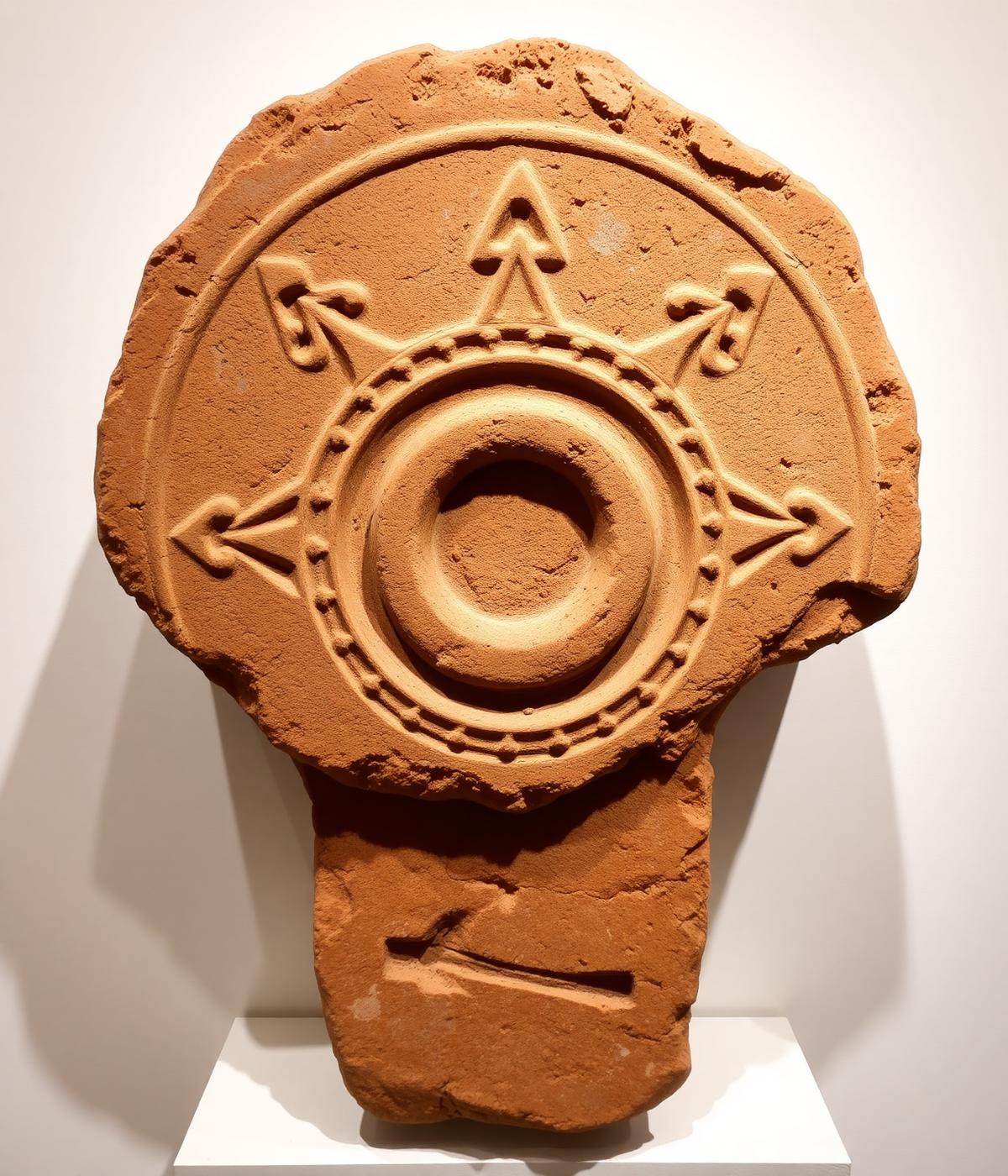
Arordi — Children of the Sun
In the twentieth century the old faith opened its eyes. What Gregory had buried in 301 the Arordi began, gently and defiantly, to unbury.
Arordineri Ukht
The contemporary Armenian revival is centred on the Arordineri Ukht — the "Order of the Children of Ari," Ari being both "sun" and "brave, noble" in old Armenian. Its intellectual foundation was laid by the philosopher and poet Garegin Nzhdeh in his doctrine of Tseghakron (the ancestral religion), and formalised in the 1990s by Slak Kakosyan, who published the Ukhtagirq — the "Book of the Covenant" — as its central scripture.
Since Armenian independence in 1991 the Arordi have re-consecrated the Temple of Garni. Priests in white robes tend a small perpetual fire there; weddings, name-day ceremonies, and the great festivals of Navasard, Vardavar, and Trndez are celebrated openly. Congregations exist across Armenia, in Artsakh, and in the diaspora.
What They Do
- Ceremony at Garni. The temple is again a functioning sanctuary. On feast days incense, wine, and bread are offered before the reconstructed cella.
- The four great feasts. Navasard, Amanor, Trndez, and Vardavar are kept publicly, in continuity with folk custom.
- Anun-drum — the naming rite for newborns, performed at the fire and calling upon Aramazd, Anahit, and the ancestors.
- Ancestor veneration. The hogik of the family and the heroes of the nation — from Hayk to Nzhdeh — are honoured with libations at every major rite.
The Arevakhach
The arevakhach — the "sun-cross" — is the emblem of the revival. Older than Christianity, carved on Armenian tombs for at least three thousand years and adopted onto medieval khachkars, it is a wheel of eight or twelve rays turning endlessly around a still centre. To the Arordi it means: we are one lineage, under one sun, and the wheel does not stop.