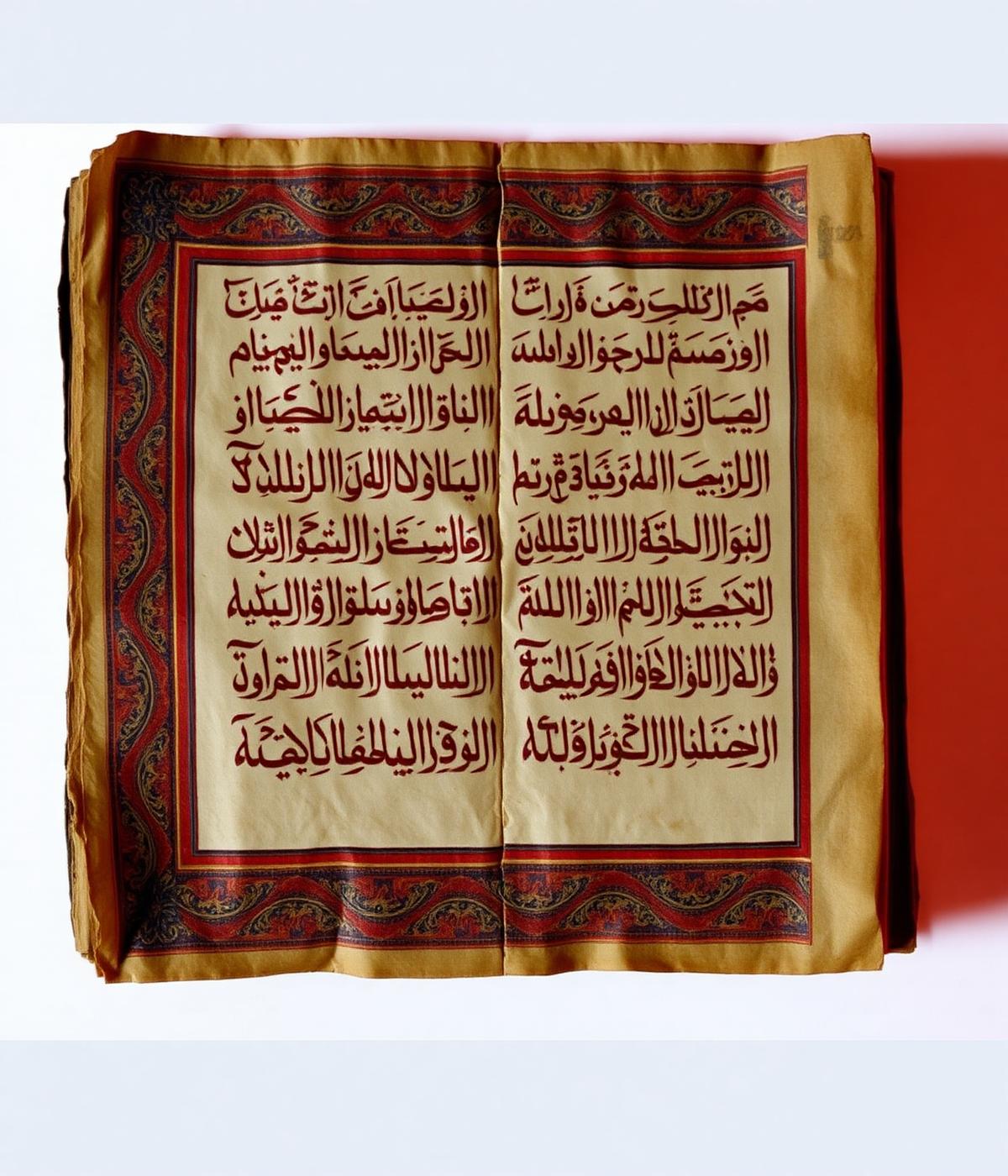
Where the Gods Are Written Down
Almost everything we know of the classical Armenian pantheon reaches us through two Christian authors who set out to describe what their ancestors had just abandoned. Their disapproval is our record.
Movses Khorenatsi
Movses Khorenatsi — Moses of Khoren — is the founding historian of Armenia, styled "father of Armenian history." His Patmutʿiwn Hayotsʿ("History of the Armenians"), written in three books, traces the Armenian nation from the patriarch Hayk — himself a euhemerised sun-hero — down to the Christian kingdom of the fifth century.
For paganism his testimony is unparalleled: he preserves the birth-song of Vahagn, the descriptions of Erez and Bagavan, the genealogies of the priesthood, and the local myths of the noble houses. Later scholars debate his exact date (fifth or eighth century) and how many of his sources he really had, but no serious study of Hetanism can proceed without him.
Agathangelos
Agathangelos — the "Bearer of Good News" — is the traditional author of the History of the Armenians that recounts the conversion of King Trdat III and the nation by Gregory the Illuminator in 301 CE. The work was likely compiled in the fifth century from earlier sources.
Its purpose is Christian, but its inventory is pagan: to celebrate the triumph of the new faith, Agathangelos catalogues in detail the temples that were pulled down, the statues that were shattered, and the priesthoods that were disbanded. The descriptions of Erez, Ashtishat, Bagavan, and Til are among the fullest we have of any late antique polytheism, precisely because he intended them as an obituary.
"The great statue of gold of Anahit at Erez they broke into pieces, and they cast down her altars, and the sacred groves they cut down."